


India Seizes Three Tankers in Arabian Sea in First Major Action Against ‘Dark Fleet’ Smuggling

In a notable development highlighting India’s growing maritime enforcement efforts, the Indian Coast Guard has seized three oil tankers in the Arabian Sea, marking a significant step in its crackdown on global smuggling networks and what analysts call the “dark fleet.”
The three vessels were intercepted and detained about 100 nautical miles west of Mumbai in early February, after sustained surveillance and analysis by Indian authorities. The operation is seen as India’s first major action against a sophisticated network of tankers that have been actively sailing under false identities and flags to avoid detection while transporting oil illegally.
Targeting Maritime Smuggling Networks
According to official statements, the Coast Guard used advanced technology, including satellite monitoring and data‑pattern analysis, to track suspicious activity on the high seas. Teams aboard Indian patrol ships and aircraft were able to locate and board the three tankers after observing patterns consistent with unlawful ship‑to‑ship oil transfers a method often used to conceal the origin and destination of the cargo.
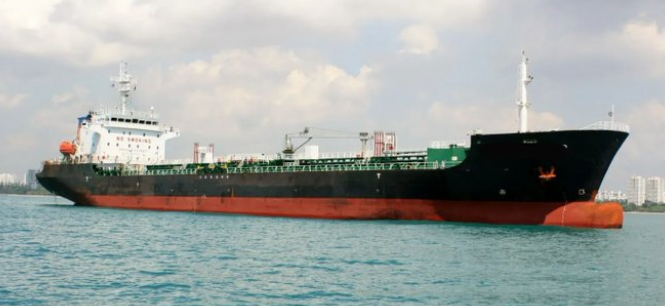
Once intercepted, the vessels were escorted to the Indian port of Mumbai where they will be subject to legal proceedings, including possible charges relating to smuggling, duty evasion, and related violations under Indian law.
Who Were the Tankers?
Independent tracking data from maritime analysts has identified the seized ships as:
Al Jafzia – a 50,000‑tonne tanker previously sailing under several false flags.
Asphalt Star – a mid‑sized tanker also known for frequent identity changes.
Stellar Ruby – reportedly operating under the Iranian flag and linked to complex oil routing networks.
Each vessel is listed on international U.S. sanctions lists, indicating prior association with sanctioned activities, particularly involving oil originating from regions under international restrictions.
What Is the ‘Shadow Fleet’?
Industry experts use the term “shadow fleet” to describe a network of tankers that operate in legal grey zones often turning off tracking systems, changing identities, or using flags of convenience to evade sanctions and monitoring. These tankers are frequently associated with shipments from countries under international sanctions, including Iran.
Activities linked to the shadow fleet have drawn concern from global regulators and Western sanctions authorities because they can undermine efforts to enforce trade restrictions and monitor the global oil supply chain.
Geopolitical Context and Enforcement Trends
While the Indian Coast Guard has not publicly confirmed ownership or destination of the cargo onboard the tankers, multiple reports from regional and international media suggest that Iranian oil trading networks and sanctioned intermediaries may be connected to the vessels.
Some analysts also note that the timing of this enforcement action comes amid shifting geopolitical dynamics involving India, the United States, and broader sanctions regimes in the Middle East particularly related to oil exports and maritime security cooperation.
India’s handling of the seizures and the subsequent legal processes will be watched closely by maritime security analysts, international traders, and diplomatic observers as a barometer of how far the country may go in policing unregulated shipping and enforcing international rules on illicit oil transfers.
Looking Ahead
The seizure of these three tankers marks a milestone in India’s maritime security efforts against shadow fleet activities and oil smuggling. As global surveillance capabilities improve and enforcement increases, similar operations may become more common reshaping how major maritime powers like India engage with illicit oil transport networks on the high seas.


Comments